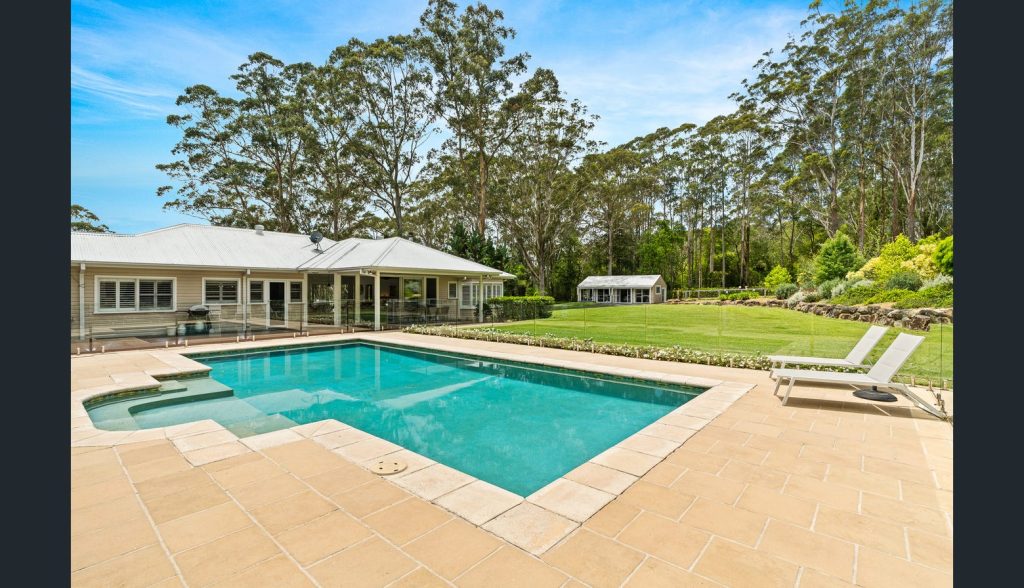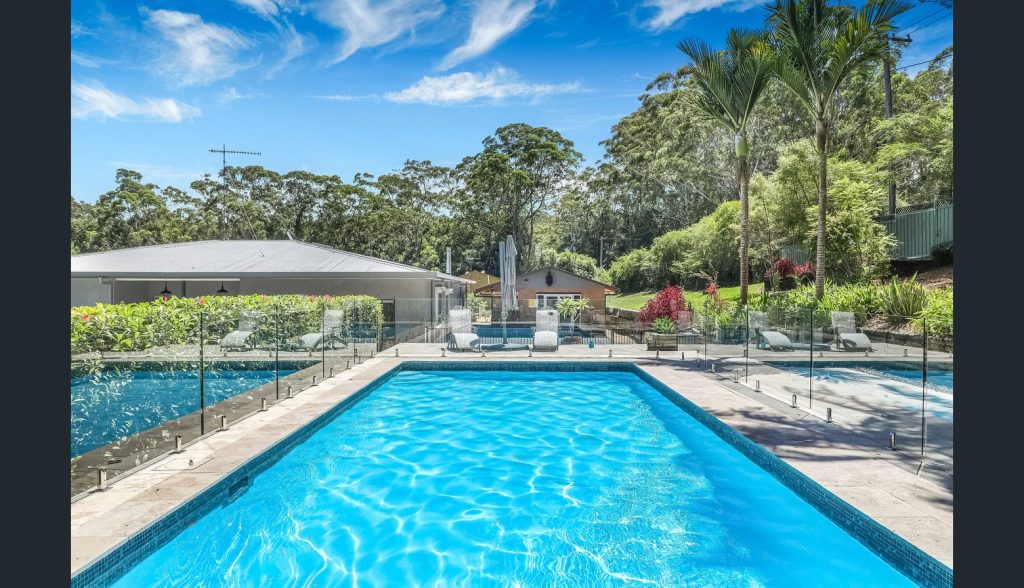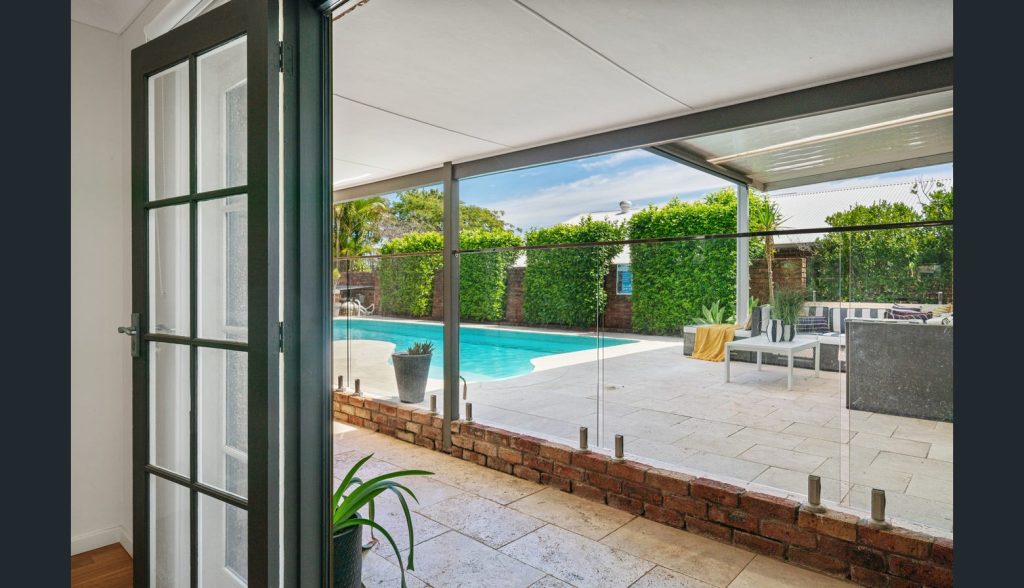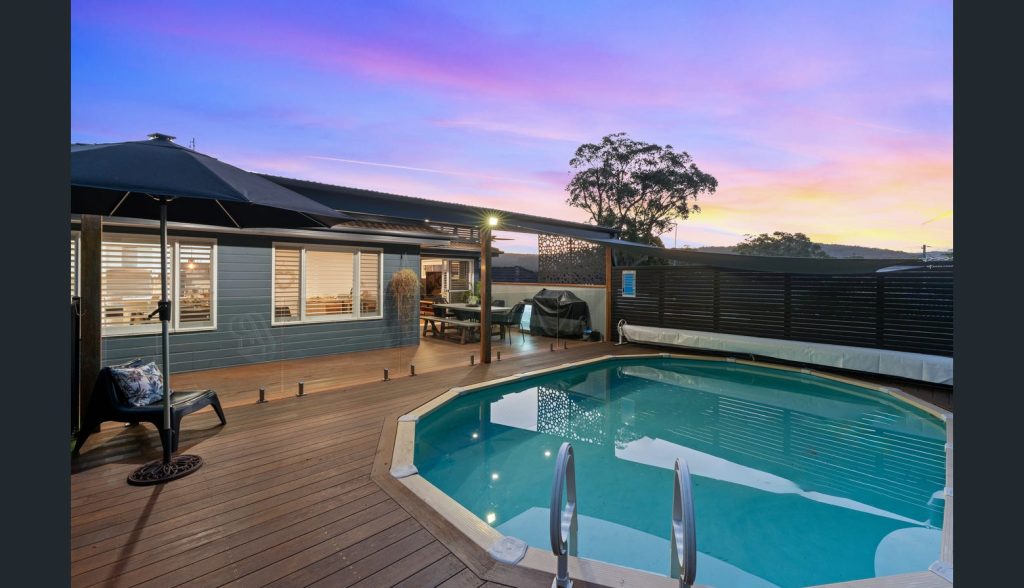
Glass Balustrading Solutions for Homes, Decks, and Staircases

Glass balustrading uses toughened safety glass panels to create open, unobstructed balustrades for balconies, staircases, decks, patios, and terraces. Available in frameless and semi-frameless systems, glass balustrades maximise natural light, preserve views, and suit both internal and external applications in modern residential and architectural builds.

Key Takeaways

  • Glass balustrades are available in frameless and semi-frameless systems to suit a range of architectural styles.
  • Toughened safety glass is engineered for strength, durability, and long-term performance in residential and commercial settings.
  • Suitable for balconies, staircases, decks, patios, terraces, and internal applications.
  • Hardware options are available to suit coastal, residential, and high-exposure environments.
  • Glass balustrades integrate seamlessly with timber, concrete, steel, and tiled structures.
  • Custom measurement and professional installation are central to a quality, compliant result. (Confirm specific compliance claims with Intrinsic Glass)
GET IN TOUCH

What Are Glass Balustrades, and Are They Right for Your Home?

Glass balustrades are transparent barriers made from toughened safety glass panels, used to edge elevated surfaces safely without blocking light or views. Unlike traditional balustrades made from timber, steel rod, or aluminium, glass systems offer a clean, uninterrupted sightline, making them a popular choice in modern residential construction and architectural design.

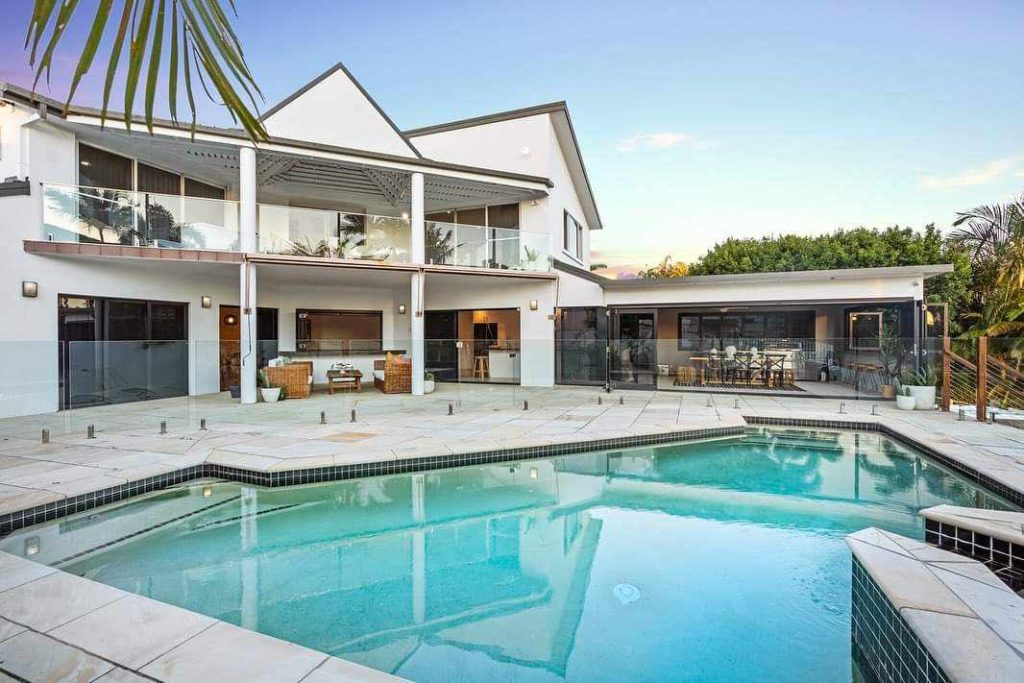
They are widely used across new builds and renovations, from coastal properties that prize ocean views to urban homes where light and openness are the design brief. Glass balustrades work equally well indoors, on internal staircases or mezzanine levels, and outdoors on exposed decks and balconies.

Builders, architects, and homeowners increasingly specify glass balustrades not just for aesthetics, but because they are durable, low-maintenance, and designed to complement a wide range of structural materials and finishes.

Where Are Glass Balustrades Used?

Glass balustrades are versatile and suited to a broad range of residential and architectural applications.

Balconies

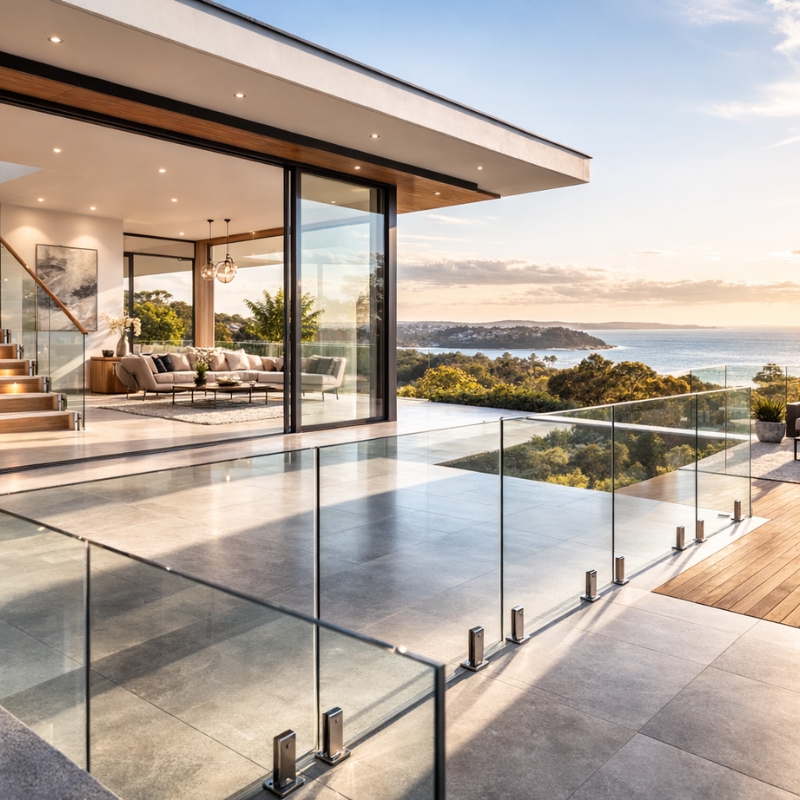
One of the most common applications. A frameless glass balustrade on a balcony removes the visual barrier between indoor living space and outdoor views, making even a modest balcony feel significantly larger.

Staircases

Internal and external staircases benefit from glass balustrade panels, which maintain an open, airy feel in stairwells while meeting height and barrier requirements. (Confirm specific Australian Standard compliance with Intrinsic Glass)

Decks, Patios, and Terraces

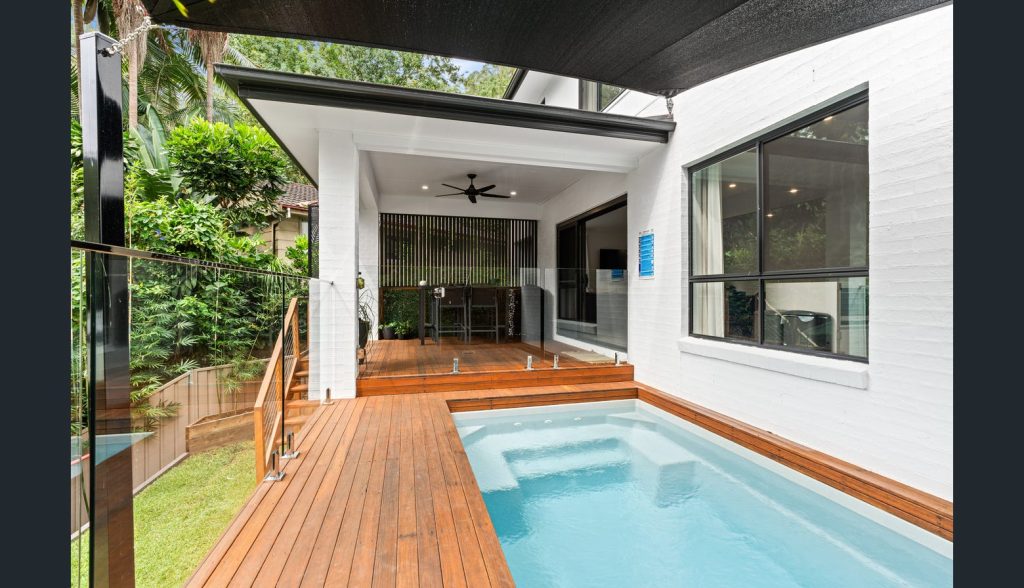
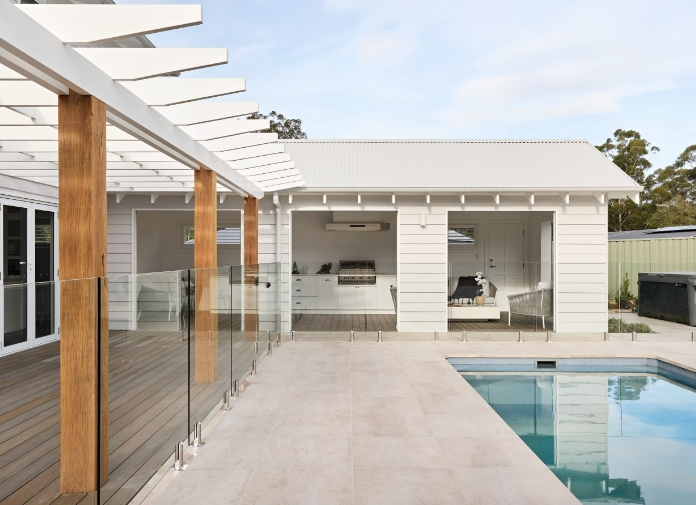
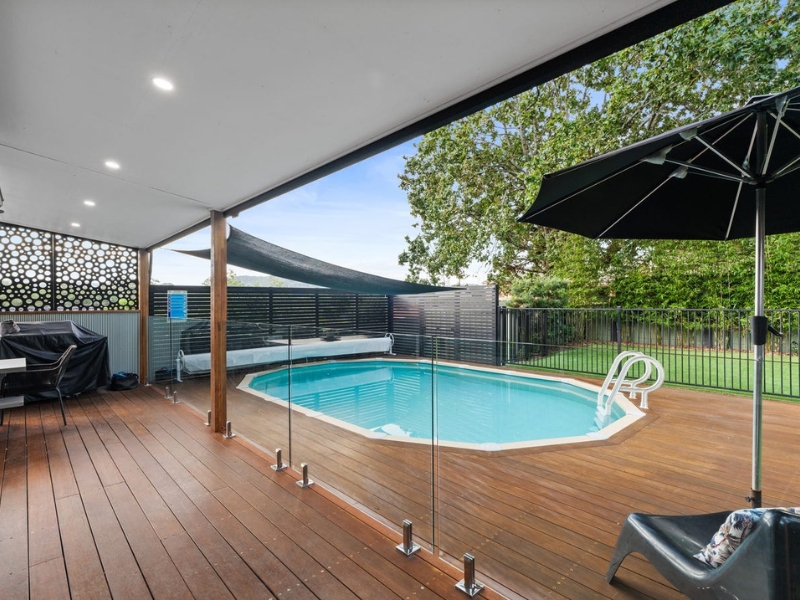
Elevated outdoor entertainment areas often use glass balustrading to define the space without obstructing outlook or light. Glass suits both timber-decked and concrete or tiled surfaces.

Internal Applications

Inside the home, glass balustrades can be used to enclose mezzanine floors, loft edges, or internal balconies , adding a sense of space and contemporary finish to interiors.

External and High-Exposure Environments

For properties in coastal or high-wind areas, hardware selection becomes critical. Appropriate grade hardware and glass specification help ensure the system performs reliably in exposed environments over time.

Frameless vs Semi-Frameless Glass Balustrades: What’s the Difference?

Choosing between frameless and semi-frameless comes down to the look you want to achieve, the structure you’re working with, and the overall design intent of the project.

Frameless Glass Balustrades

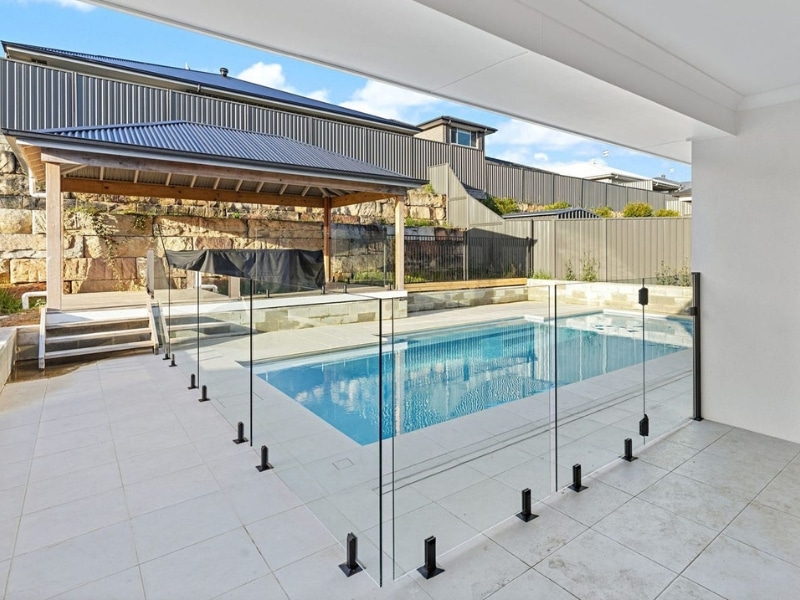
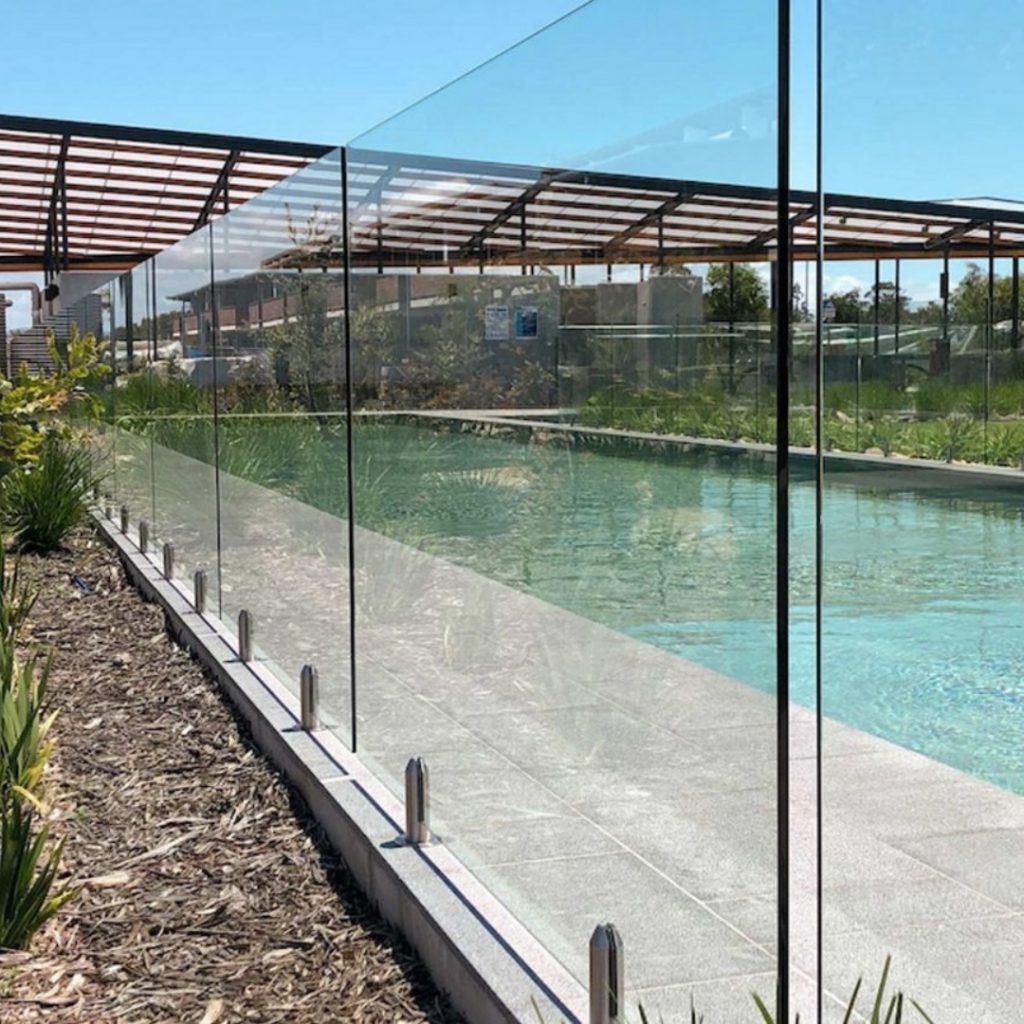
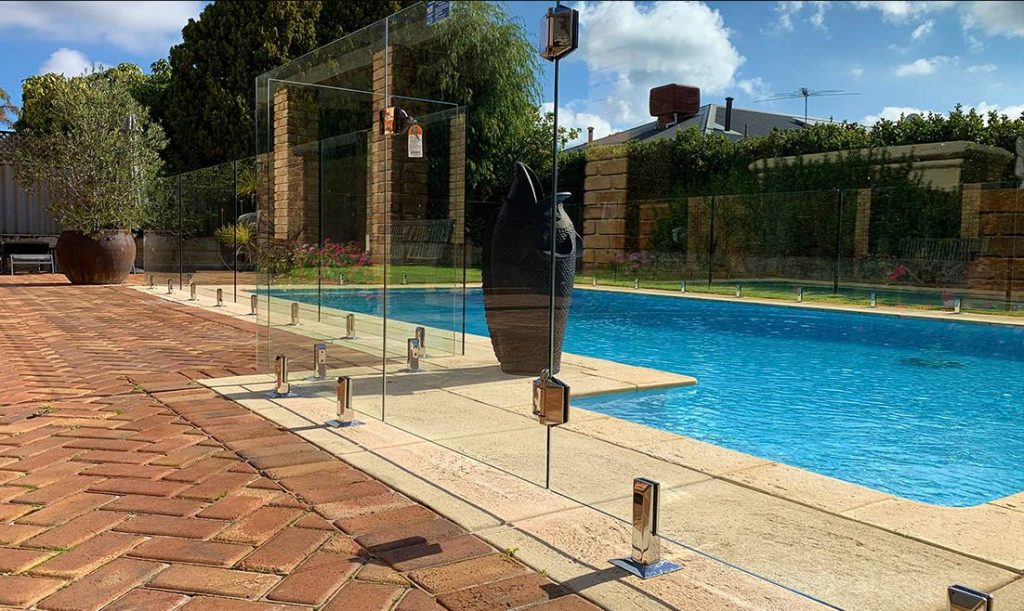
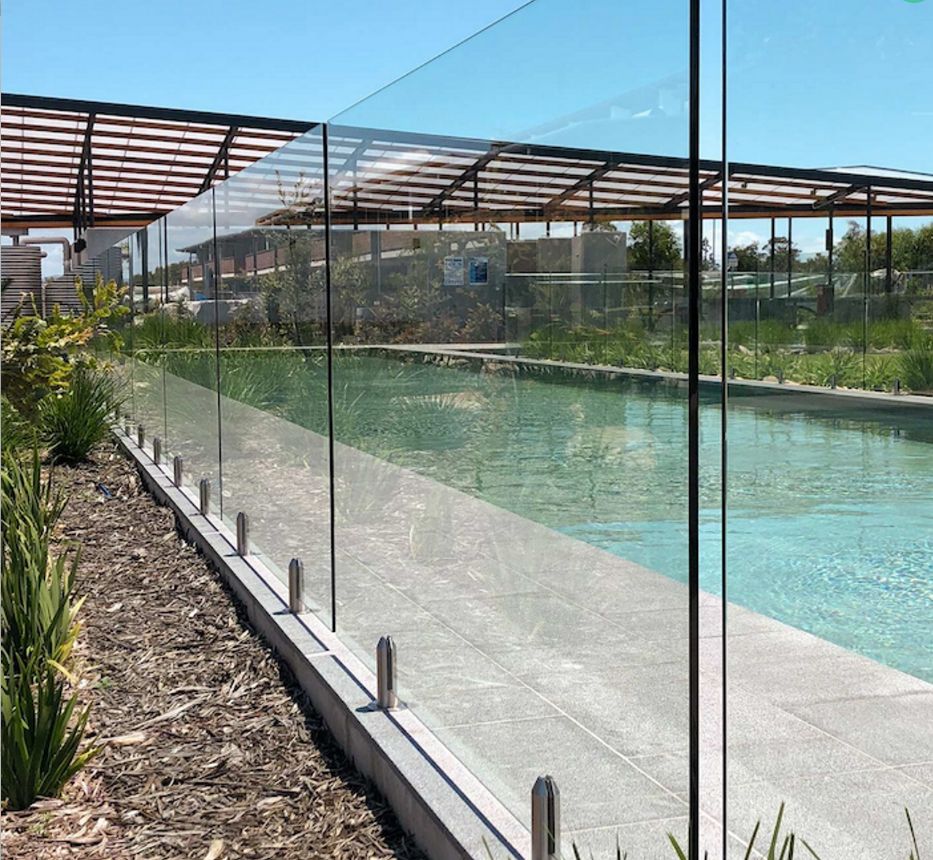
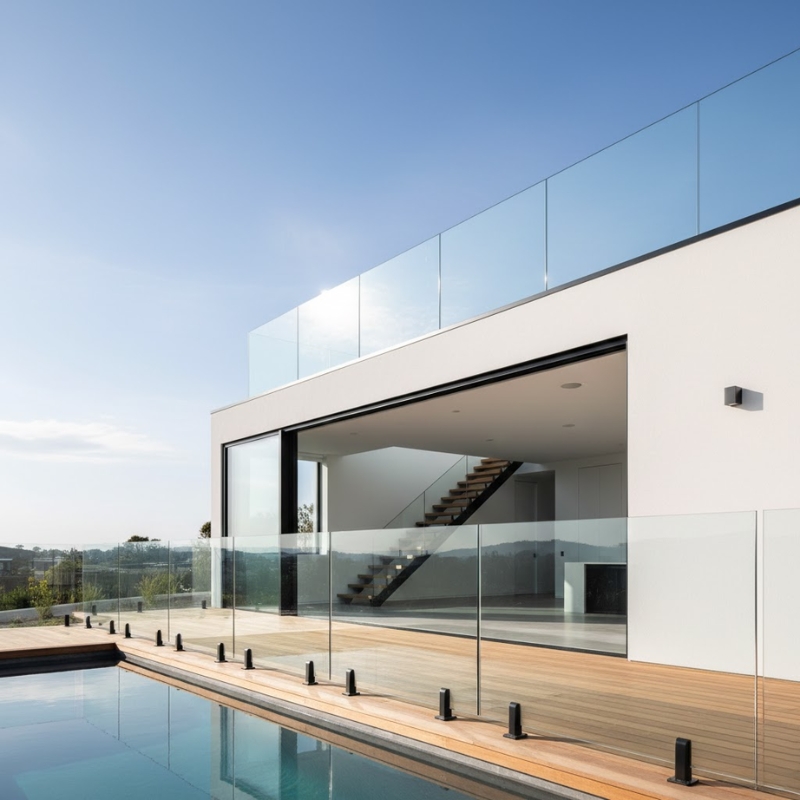
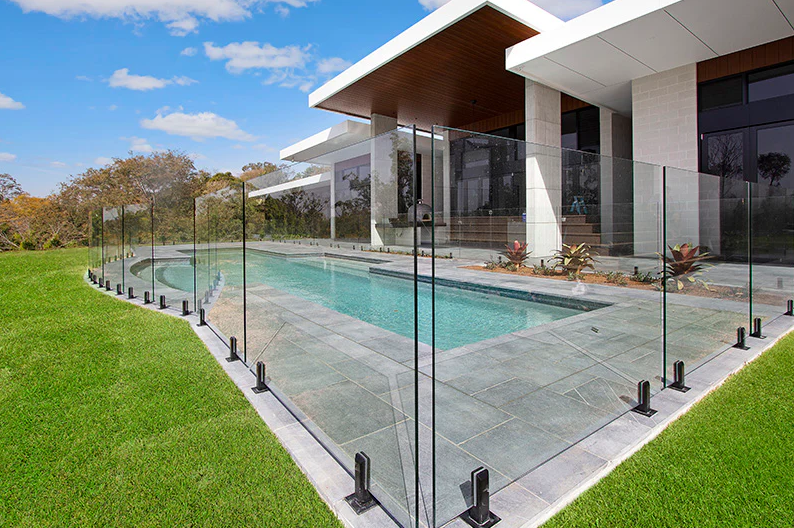
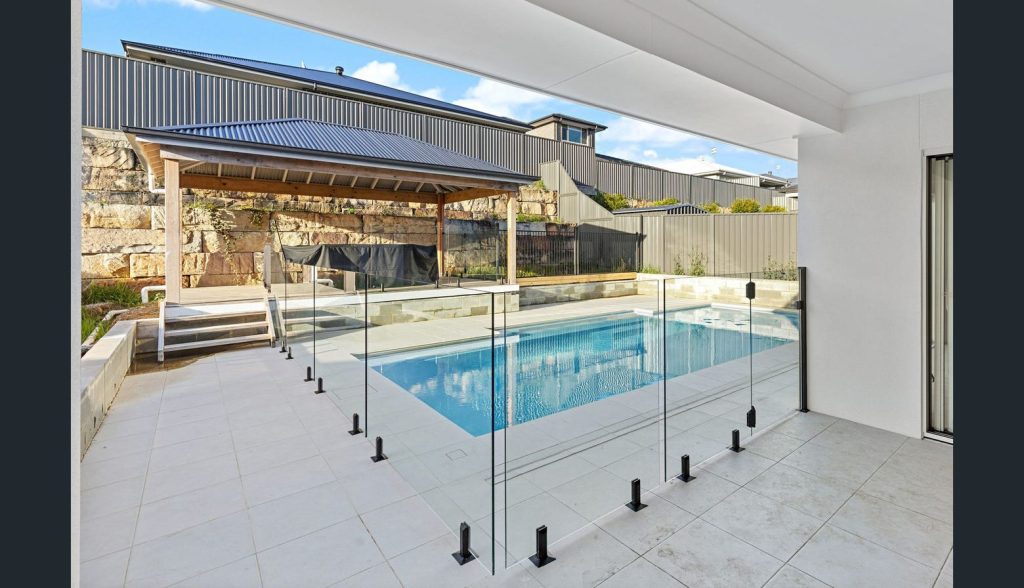
Frameless systems use structural glass panels fixed to the floor or surface with minimal hardware, typically spigots or a channel system. There are no visible posts or rails at the sides of each panel, which gives a completely uninterrupted glass line. Frameless systems are the premium choice for maximising views and achieving a high-end architectural aesthetic.

Semi-Frameless Glass Balustrades

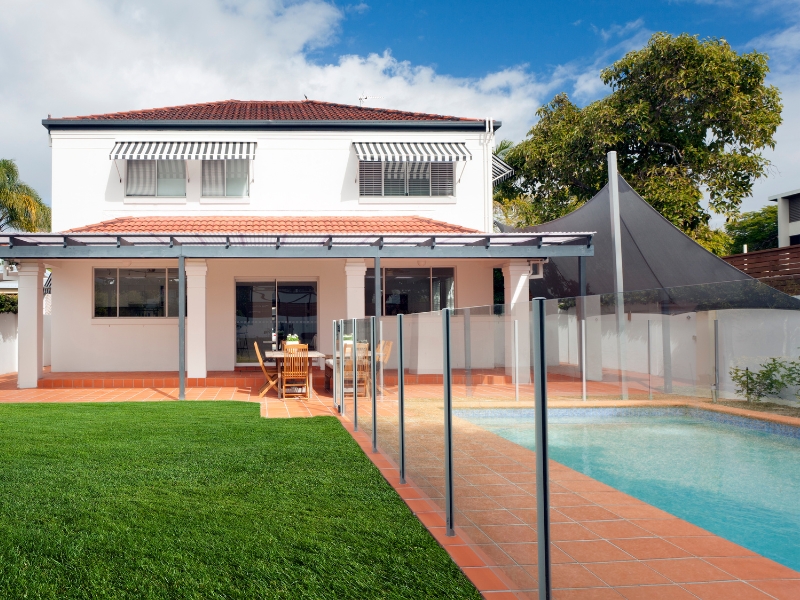
Semi-frameless systems use posts at panel intervals, usually stainless steel or powder-coated aluminium, which provide additional structural support. The glass panels sit between or alongside the posts. This system offers a clean, modern look while providing a structural solution that suits a wider range of surface conditions and configurations.

Hardware Considerations

Hardware choice, including post type, spigot material, top rail options, and fixings, has a direct impact on both appearance and long-term performance. For coastal and marine environments, marine-grade stainless steel hardware is generally recommended to resist salt corrosion. (Confirm specific hardware grades and options with Intrinsic Glass)
Materials and Safety: What Glass Is Used in Balustrades?

Toughened Safety Glass

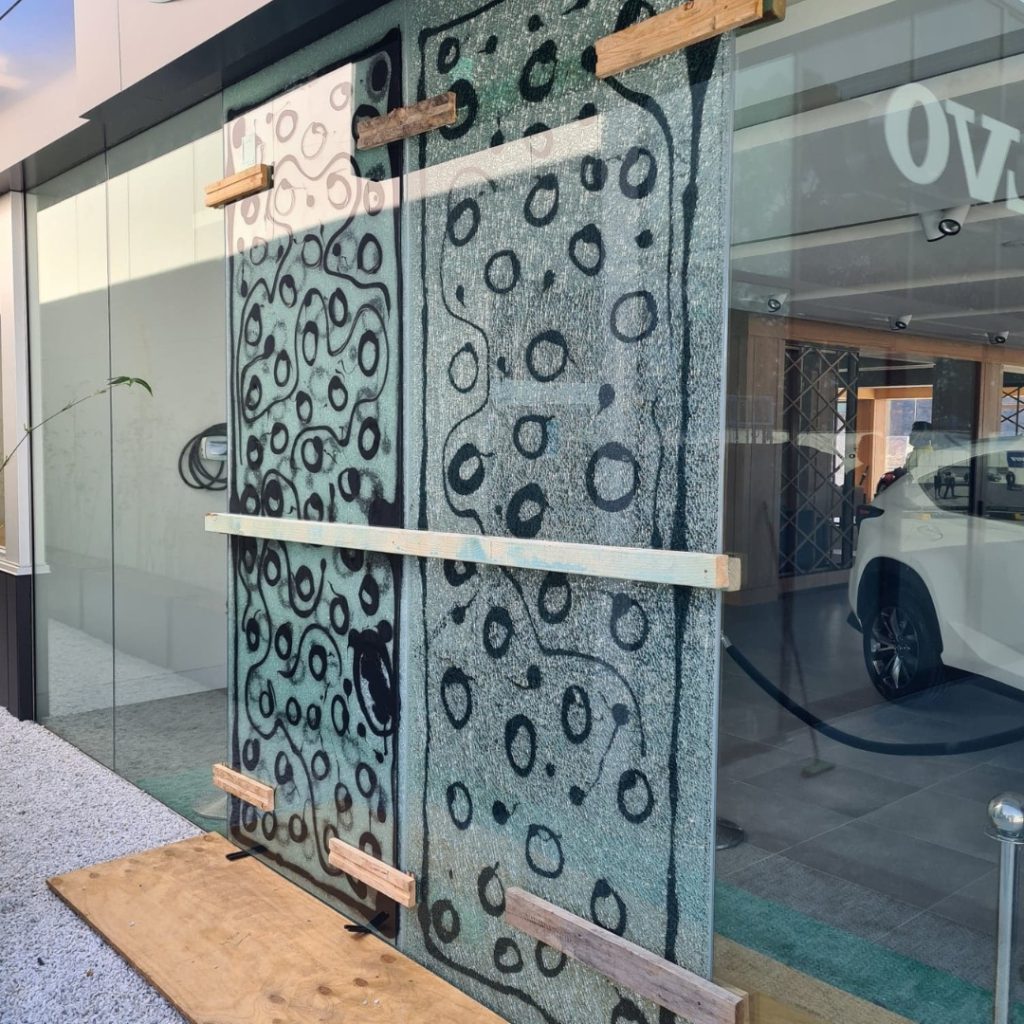
Glass balustrades use toughened (tempered) safety glass, which is processed using controlled thermal or chemical treatments to increase its strength compared to standard glass. When toughened glass breaks, it fractures into small, relatively blunt pieces rather than sharp shards, a key safety property for balustrade applications.

Glass panels for balustrades are typically 10mm, 12mm, or thicker depending on the system, span, and application. (Confirm specific glass thicknesses and specifications with Intrinsic Glass)
Laminated Glass

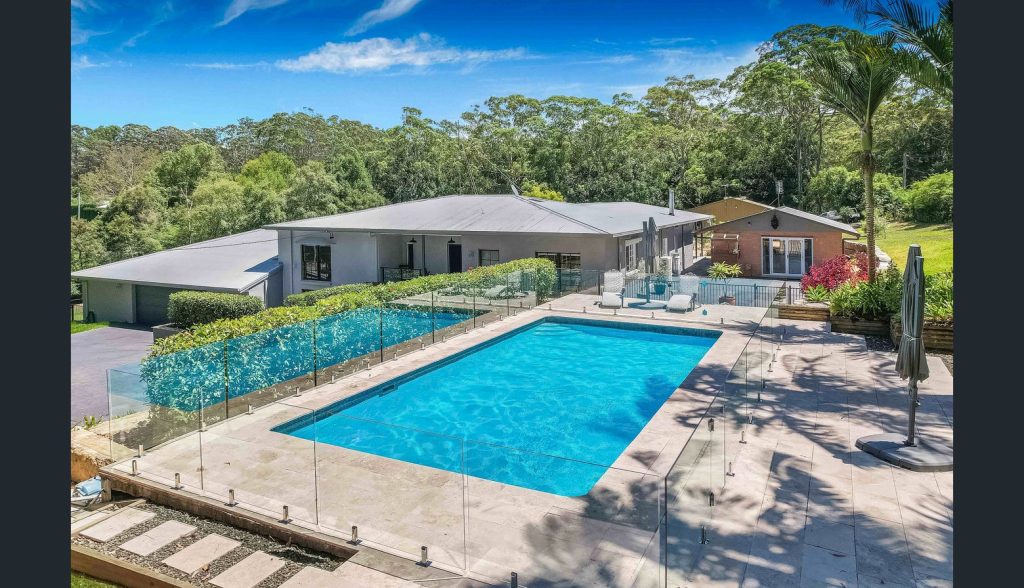
In some applications, laminated safety glass, two or more glass layers bonded with an interlayer, may be specified, particularly where an additional retention layer is required. (Confirm laminated glass availability with Intrinsic Glass)
Durability and Weather Exposure

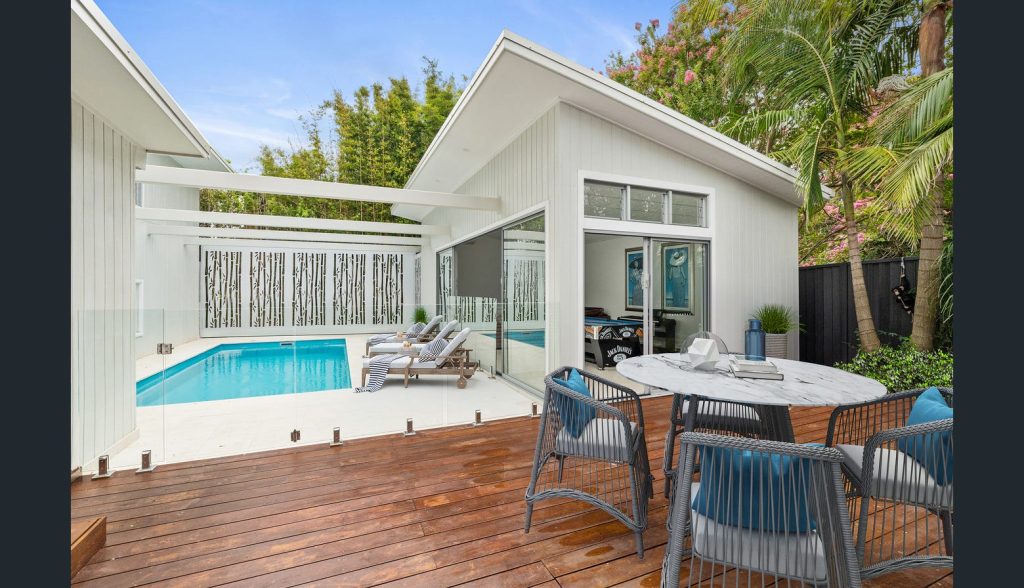
Toughened glass used in balustrading is designed to withstand outdoor conditions including UV exposure, rain, wind, and temperature variation. The longevity of the system is also influenced by the quality of hardware and how the installation is executed, which is why professional installation matters.

How Glass Balustrades Integrate With Modern Design

One of the most significant advantages of glass balustrading is its design neutrality. Glass does not compete with the surrounding architecture, it complements it, allowing the materials, views, and spatial qualities of the project to remain the focus.

Maximising Natural Light

Unlike solid or heavily framed balustrades, glass panels allow daylight to pass freely through a space. This is especially valuable on balconies and staircases where natural light might otherwise be restricted.

Preserving Views

For properties with garden, water, or city views, glass balustrades are the only barrier system that doesn’t compromise the outlook. Frameless systems in particular deliver a near-invisible edge.

Integration With Structural Materials

Glass balustrades integrate readily with the full range of structural and surface materials found in modern construction:

  • Timber — Glass panels alongside or above timber decks complement natural material tones.
  • Concrete — Channel or spigot systems can be core-drilled or surface-mounted to concrete edges and slabs.
  • Steel — Glass and steel are a natural architectural pairing; stainless steel hardware suits both.
  • Tiled surfaces — Appropriate fixing methods allow installation on tiled balconies and terraces without compromising the tile surface.

Professional Installation and Custom Measurement

Glass balustrades are not an off-the-shelf product. Every project involves a specific building geometry — varying floor levels, structural substrates, corner conditions, and finish requirements. Custom measurement ensures panels are cut and drilled precisely for each opening, which is essential for both appearance and performance.

A professional installation typically involves:

1. Site measure — Accurate measurement of the space, structure, and surface conditions.

2. Panel fabrication — Glass panels cut and processed to specification.

3. Hardware selection and preparation — Posts, spigots, channels, or rails selected and prepared to suit the substrate and system type.

4. Installation — Panels fixed in accordance with the system design and applicable requirements.

5. Inspection and handover — Final check of alignment, fixings, and finish quality.

We are ready to answer your questions

0431 747 320

Common Buyer Mistakes and What to Consider Before You Install

Glass balustrading is a durable, low-maintenance product when specified and installed correctly. However, there are common pitfalls to be aware of.

Choosing on Price Alone

Glass balustrading requires precision fabrication and correct hardware. Cutting costs on glass thickness, hardware grade, or installation quality can result in premature failure, safety concerns, or a poor visual result. Prioritise quality of materials and installation over the lowest price.

Overlooking Hardware Grade in Coastal Areas

Standard stainless steel hardware can corrode in marine environments. If your property is near the coast, confirm that marine-grade or appropriate hardware is specified. (Confirm hardware grades and coastal suitability with Intrinsic Glass)
Not Confirming Structural Suitability

The substrate your balustrade will be fixed to — timber frame, concrete slab, steel beam — needs to be structurally capable of adequately supporting the required design loading requirements. A professional installer will carefully assess this thoroughly at measure-up stage.

Skipping Professional Measurement

Estimating panel sizes without a proper site measure leads to panels that don’t fit correctly, visible gaps, and hardware that doesn’t align, affecting both safety and appearance.

Ignoring Glass Clarity Over Time

High-quality glass with appropriate surface treatments is easier to keep clean and maintains clarity better over time. Ask about glass type and maintenance recommendations before you buy.

Ready To Get a Quote?

Reach out to us now

About Intrinsic Glass

Intrinsic Glass provides quality glass installation services for residential and commercial projects on the Central Coast, NSW. Services include frameless shower screens, glass partitions, glass pool fencing, glass splashbacks, and glass replacement, designed for durability, functionality, and modern aesthetics. (Confirm glass balustrading service availability and full service area with Intrinsic Glass)
Frequently Asked Questions

A frameless glass balustrade uses structural glass panels fixed with minimal hardware, with no visible side posts between panels.

Panels are typically fixed using spigots or a continuous channel at the base, creating an uninterrupted glass line. This gives a clean, premium appearance well suited to balconies, decks, and architectural staircases where maximising views and light is a priority.

Frameless systems have no visible side posts; semi-frameless systems use posts at intervals to support the glass panels.

Frameless systems offer the cleanest visual outcome, while semi-frameless systems use posts, typically stainless steel or powder-coated aluminium, that can provide a structural advantage in certain configurations. Both use toughened safety glass. The right choice depends on your design intent, structure, and budget.

Glass balustrades use toughened (tempered) safety glass, which is significantly stronger than standard glass.

Toughened glass is manufactured using a controlled heating and rapid cooling process that increases mechanical strength. If broken, it fractures into small, relatively blunt granules rather than sharp shards, a critical safety property. In some cases, laminated glass may also be specified.

Yes, but hardware grade is critical, marine-grade stainless steel is typically required in salt-air environments.

Standard hardware can corrode when exposed to salt air over time. Marine-grade stainless steel (typically 316-grade) hardware is generally recommended for coastal environments. Glass itself is not affected by salt air. Always confirm suitable hardware specifications with your installer before proceeding. (Confirm coastal hardware options with Intrinsic Glass)
Yes, glass balustrades can be installed on timber deck surfaces using appropriate fixing methods.

Surface-mounted spigots or post systems can be fixed to timber deck framing, provided the structure is capable of supporting the required loading. A professional site measure will assess structural suitability before installation begins. (Confirm timber deck fixing options with Intrinsic Glass)
Yes, glass balustrades in Australia must comply with applicable Australian Standards and the National Construction Code.

Key requirements include glass type and thickness, system height, structural loading capacity, and fixing methods. Specific requirements vary by application, residential vs commercial, internal vs external, balcony height, and so on. Always confirm the compliance requirements for your specific project with a qualified professional.

Glass balustrades can be fixed to concrete, steel, timber framing, and tiled surfaces using appropriate fixing systems.

The fixing method varies by substrate. Concrete edges accept core-drilled or surface-mounted systems. Timber-framed structures require fixings into structural members. Tiled surfaces require careful fixing method selection to avoid tile damage. Structural suitability should be confirmed by a qualified professional in all cases.

Yes, glass balustrades in Australia must comply with applicable Australian Standards and the National Construction Code.

Key requirements include glass type and thickness, system height, structural loading capacity, and fixing methods. Specific requirements vary by application, residential vs commercial, internal vs external, balcony height, and so on. Always confirm the compliance requirements for your specific project with a qualified professional.

Installation time varies by project size and complexity, confirm lead times and scheduling with Intrinsic Glass.

A straightforward residential balustrade on a single balcony may be installed in a day. Larger or more complex projects require longer, and glass fabrication lead times should be factored into project planning. (Confirm lead times with Intrinsic Glass

Yes, glass balustrades are well-suited to internal applications including staircases, mezzanine floors, and internal balconies.

Internal glass balustrades create an open, light-filled feel in stairwells and multi-level spaces. Frameless systems are particularly popular internally as they avoid visual clutter and allow light to travel freely between floors.

Intrinsic Glass is located on the Central Coast, NSW. (Confirm full service area with Intrinsic Glass)
For specific enquiries about your project location, contact the team directly via intrinsicglass.com.au/contact or call 0431 747 320.

More services

0431 747 320