
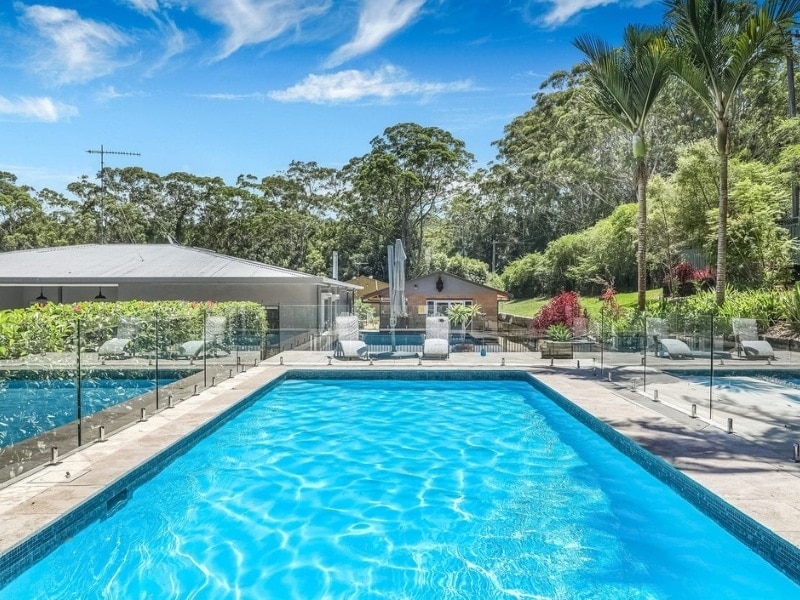
Glass pool fence panels are a preferred choice for homeowners looking to combine safety with a sleek, modern finish. These panels offer clear visibility and enhance the aesthetic of any outdoor space without compromising on compliance. More than just decorative features, they serve a vital role in maintaining child-safe pool areas while meeting strict Australian standards. Choosing the right type, size, and hardware for your panels can influence safety, longevity, and ease of maintenance. This article explores what you need to know to design a reliable, visually appealing pool barrier using glass pool fence panels.
What problems can occur when choosing glass pool fence panels for your home?
Selecting glass pool fence panels can create issues if the layout, compliance requirements, or panel type are misjudged. Problems usually arise from incorrect measurements, substandard materials, or improper installation methods. Here are the common pitfalls to avoid when choosing your panels:
- Panels that don’t comply with AS1926.1 or AS2208 can void insurance and increase safety risks.
- Improper spacing or panel alignment may lead to failed inspections or forced redesigns.
- Low-grade or thin glass compromises durability and might not meet safety glazing requirements.
- Non-compliant gate latching or hinge mechanisms can result in legal liabilities and unsafe access.
To avoid these issues, homeowners should work with professionals who understand local regulations and design smart, compliant layouts.
What factors make curved glass pool fence designs challenging?
Curved glass pool fences require precision engineering and custom manufacturing, which often makes the process more complex than standard straight panels. Here are the key challenges associated with curved glass fences:
- Curved panels must be custom-made, increasing lead times and production costs significantly.
- Installation demands a higher skill level due to complex angles and reduced margin for error.
- Repair or replacement of damaged curved glass is more difficult due to shape-specific fitting.
- Compliant gate integration into curved designs is more limited and requires specialised hardware.
Because curved designs are harder to manage, many homeowners explore modern glass pool fencing solutions that combine custom styling with simpler installations.
How do glass pool fence panels influence overall installation costs and budgeting?
Glass pool fence panels directly impact your pool fencing budget based on size, thickness, design complexity, and hardware choices. Each factor plays a role in determining both upfront and long-term costs. Here are the typical cost drivers associated with glass panel fencing:
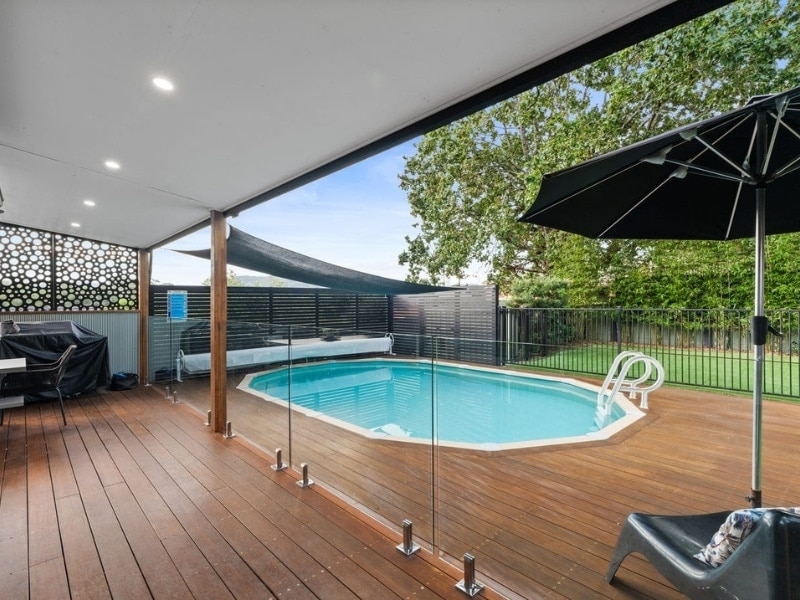
- Frameless panels are more expensive due to thicker glass (often 12mm toughened safety glass).
- Premium finishes, such as frosted or tinted options, add aesthetic value but increase costs.
- Spigots, hinges, and latches made from marine-grade stainless steel are pricier but last longer.
- Custom sizing, raked panels, or curved sections significantly increase labour and material costs.
For those looking for safe glass pool fencing solutions for homes, it’s essential to factor in both the material and installation costs early in the planning phase.
How can you install glass pool fence panels safely and compliantly?
Ensuring safe and compliant installation of glass pool fence panels involves understanding the legal requirements, especially under Australian standards like AS1926.1 and AS2208. You’ll need to meet specific height, spacing, and access rules to pass inspection and avoid major risks. Here are the essential steps for a compliant installation:
- Check council regulations for your area before starting the installation to avoid legal setbacks.
- Position the fence at least 1200mm from the water’s edge and away from climbable objects.
- Ensure gates are self-closing, self-latching, and open away from the pool area.
- Use certified installers who are familiar with local codes and safety testing standards.
Here are the critical compliance specifications to follow:
| Compliance Factor | Minimum Standard | Importance |
| Fence height | 1200mm from ground level | Prevents children from climbing over |
| Ground clearance | Max 100mm under panels | Stops objects or children from slipping under |
| Gap between panels | Max 10mm gap | Prevents hand or foot entrapment |
| Gate opening direction | Must open away from the pool | Reduces risk of accidental access |
| Latch height | Min 1500mm from ground | Keeps the latch out of children’s reach |
| Climbable zone clearance | 900mm radius from the fence’s outer edge | Prevents footholds or leverage surfaces |
This level of diligence helps ensure that your fence aligns with the NSW swimming pool safety requirements and provides peace of mind for years to come.
What should you consider when selecting the right hinges and hardware?
The hinges and supporting hardware on your glass pool fence are vital for maintaining secure access and long-term durability. Choosing the right components reduces wear and ensures consistent gate performance. Here are the hardware factors to prioritise:
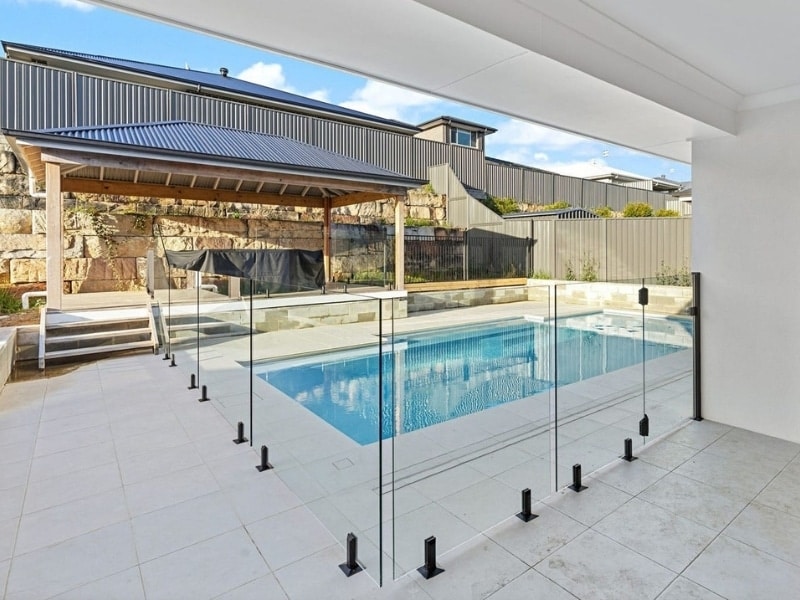
- Use marine-grade 316 stainless steel to prevent corrosion and ensure long-term outdoor performance.
- Soft-close hinges help reduce noise, protect panels, and improve gate safety.
- High-quality latches ensure gates remain secure even in high wind or regular use.
- Spigots should be fully adjustable and firmly anchored into concrete, not soil.
These choices also influence aesthetics, as sleek hardware can enhance visibility and modern appeal, especially when combined with coloured glass pool fencing options.
How can homeowners estimate accurate pool fence installation costs?
Planning your pool fencing budget starts with understanding the cost of each element, from glass types to labour charges. Accuracy ensures better project control and fewer last-minute surprises. Here are the top tips for accurate budgeting:
- Obtain at least two professional quotes to compare material and labour costs.
- Account for groundwork or levelling if your pool area is on a slope or uneven surface.
- Factor in compliance inspection fees and possible rework after council checks.
- Leave a buffer for optional upgrades like raked or frosted panels.
With careful planning, you can match your desired style with practical costs and avoid delays or budget blowouts.
Final thoughts on designing a safe and modern pool fencing layout
Designing a safe and contemporary pool fence means more than choosing glass — it’s about harmonising compliance, safety, and lifestyle. The right layout enhances usability while ensuring the entire space remains accessible and family-friendly. Always consider gate placement, visibility lines, and access routes before committing to a design. For expert advice tailored to your space, seek guidance from Intrinsic Glass and ensure your project meets every safety and design expectation from the ground up.