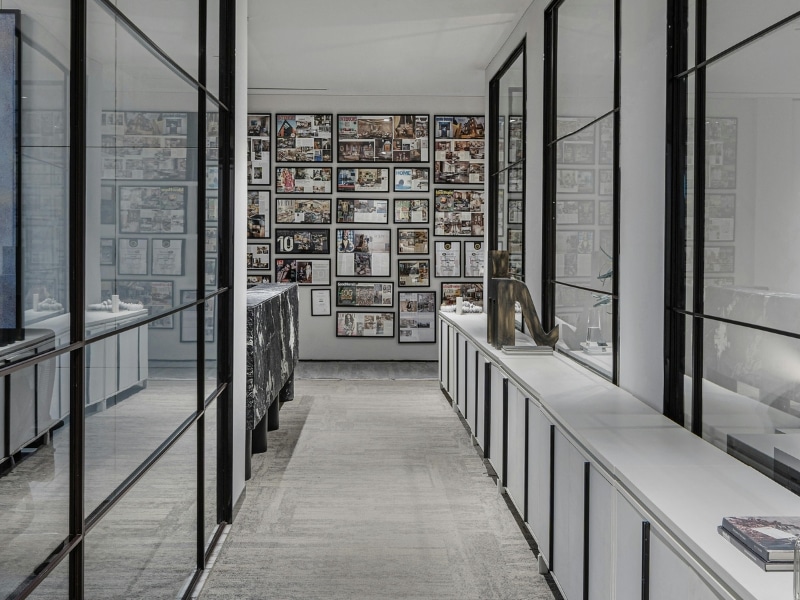
The most effective glass room separators for privacy are sliding panels, custom-made partitions, and glazing finishes like frosted or reeded glass. Each of these options creates a clear division without cutting off light, which is why they suit offices, homes, and shared spaces so well. Your choice depends on whether you want flexibility, a permanent fix, or simply a way to soften visibility.
People often think privacy means building solid walls, but that isn’t the case anymore. A glass partition keeps rooms bright and open while still giving you seclusion where it counts. Some designs lean sleek and frameless, while others use textured or tinted glazing to create subtle boundaries. The design you pick will influence not only privacy but also the overall feel of your space.
Why are traditional walls less effective than a glass room separator?
Traditional walls create privacy, but they also block natural light, limit flexibility, and make rooms feel enclosed. A glass room separator achieves privacy without shutting people off, making it far more effective in contemporary design. Problems with fixed walls include:
- Dark interiors because light can’t travel through.
- Wasted space, since bulky walls reduce usable area.
- Rigid design, making future changes difficult.
- Outdated appearance compared with modern glass partition walls.
By comparison, glass partitions keep things open, bright, and professional. Many offices now rely on modern office glass partitions because they strike the right balance between privacy and collaboration.
Do open-plan layouts reduce the need for office glass dividers?
No, open-plan layouts actually increase the need for partitions. While they foster communication, they also amplify noise and make it harder to focus. Office glass dividers step in as a subtle solution, offering privacy without creating permanent walls. Drawbacks of fully open designs:
- High noise levels make concentration tough.
- No visual boundaries, leaving people exposed.
- Chaotic feel, as spaces lack clear separation.
Adding stylish glass dividers ensures zones are well-defined without losing the open feel. Many workplaces now embrace the benefits of a glass divider, since it boosts both comfort and efficiency.
How do frameless glass room separator designs impact privacy?
A frameless glass room separator delivers sleek lines and a clean look, but on its own, it doesn’t offer much privacy. These systems are better suited for spaces where style and openness matter more than seclusion. Challenges with frameless designs include:
- Poor sound insulation, leading to noise transfer.
- Full transparency, which can feel intrusive.
- Less reinforcement, though, safety glass makes them secure.
Privacy can be improved with glazing finishes like frosting or reeding. In workplaces, frameless glass dividers are often paired with acoustic wall systems, improving sound control while keeping the seamless design intact.
Why are sliding glass room separators a flexible choice for privacy?
Sliding glass room separators are ideal for multi-use spaces because they adapt easily. They let you close off an area for privacy or open it up for a more social setting. Strengths of sliding glass partitions:
- Save valuable floor space, since panels glide instead of swinging.
- Flexibility for daily use, letting you reconfigure rooms.
- Seamless shift between private and shared areas.
- Stylish presence, fitting well in contemporary homes and offices.
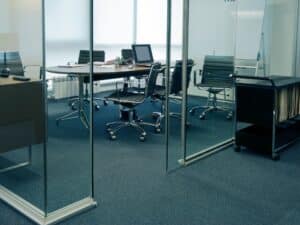
This versatility explains why sliding glass partitions are a favourite in small apartments, home studies, and meeting rooms. They provide privacy when you need it and openness when you don’t, all without structural work.
What design benefits come with custom glass partition systems?
Custom glass partition systems give you more control over privacy, style, and functionality. Unlike standard partitions, these systems are tailored to fit awkward layouts, specific design goals, and unique acoustic needs. Advantages of custom builds:
- Tailored fit for unusual or tricky spaces.
- Range of finishes, from frosted to tinted panels.
- Mixed materials, such as timber trims or steel-look frames.
- Future-proof design, making updates simpler.
Comparison of off-the-shelf vs custom systems:
| Feature | Standard Glass Partitions | Custom Glass Partition Systems |
| Sizes available | Limited | Fully tailored |
| Glazing finishes | Few | Wide range (frosted, reeded) |
| Frame options | Basic aluminium | Steel-look, timber blends |
| Long-term value | Moderate | High |
For better decision-making, it helps to explore the types of office division walls, since each type comes with its own strengths.
Can glazing options like frosted or reeded glass enhance privacy?
Yes — glazing choices often determine how private a glass partition feels. Frosted or reeded glass keeps daylight flowing while softening sightlines, making them practical in both homes and offices. Common glazing finishes:
- Frosted glass for blurred visibility and softer lighting.
- Reeded glass for added texture and partial privacy.
- Tinted panels to reduce glare and add mood.
- Acoustic glazing for privacy that blocks both sight and sound.
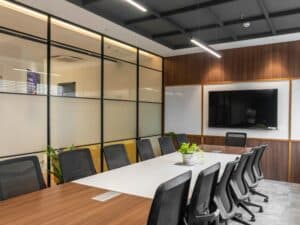
In workplaces, frosted meeting rooms create a professional look while maintaining discretion. At home, reeded panels bring character to kitchens and bathrooms. These glazing options can be applied to frameless glass walls, sliding partitions, or bespoke dividers, making them versatile across settings.
Final thoughts on choosing the right glass room separator for privacy
The best glass room separator depends on your needs. Sliding systems suit flexible layouts, custom partitions solve tricky spaces, and frosted or reeded glazing enhances privacy without blocking light. Frameless designs add style but work best when paired with acoustic or glazed upgrades.
Getting expert advice helps ensure your choice balances privacy with design goals. That’s where recommendations from Intrinsic Glass make the process easier. Whether you’re after sleek frameless walls or textured glazing, there’s a design that will suit your space.